How Competitor Stockouts Create Pricing Opportunities
When a rival sells out, the rules change. Here is how to spot and use it.
A competitor's price only matters if they can fulfill the order, so when a rival sells out their low price becomes irrelevant and demand flows to whoever can ship. That opens a short window to hold or raise your price, until they restock. Stay fair to protect trust.
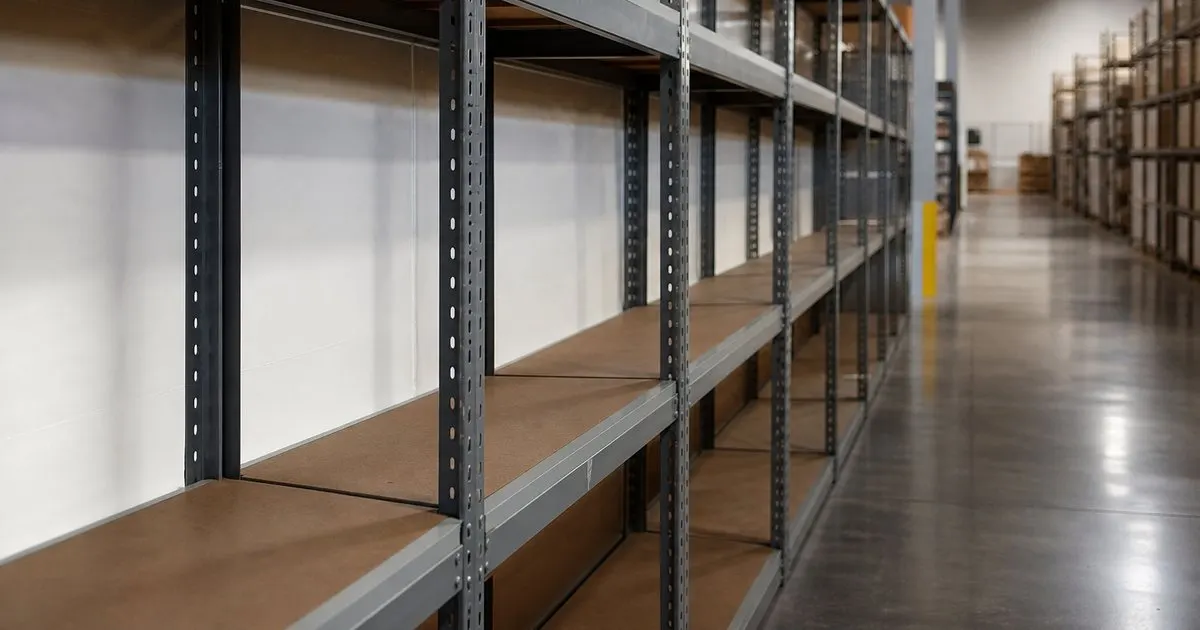
Availability is part of the price
A competitor's price only matters if they can actually fulfill the order. When a rival is out of stock, their low price is irrelevant, and the demand flows to whoever can ship. Related: How to Track Competitor Prices Without Crossing the Line
That is why monitoring stock, not just price, gives you a fuller picture of the market. Related: How Often Should You Check Competitor Prices
Keep reading: How to Track Competitor Prices Without Crossing the Line, Dynamic Pricing Basics for Small Online Stores, When to Match a Competitor's Price and When to Hold. See how PriceHawkly helps you competitor price monitoring for online stores.
The window to act
When a key competitor sells out of a popular product, you briefly become the obvious choice. You can hold or even raise your price during that window, because the value of being in stock goes up. Related: When to Match a Competitor's Price and When to Hold
The opportunity closes when they restock, so timing matters.
Do not gouge
Raising a price because you are the only one in stock is normal. Raising it dramatically on something people urgently need can damage trust and your brand. Judge the situation and keep it fair.
Track restocks too
Knowing when a competitor comes back into stock is just as useful as knowing when they sold out, so you can return your price to normal at the right moment. Related: Reading a Price History: What the Patterns Tell You
- A competitor's price is meaningless if they are out of stock
- Stockouts open a short window to hold or raise price
- Stay fair to protect trust
- Track restocks to time your return to normal

Julien Jimenez
Julien Jimenez is an independent software builder based in Paris. He designs, ships, and operates focused SaaS products for small businesses and independent professionals. Read the full author page.
Frequently asked questions
How long does a competitor stockout opportunity last?
Only until they restock. The value of being in stock rises while a rival is sold out, so timing matters and tracking their return lets you reset your price at the right moment.
Is it acceptable to raise prices during a competitor stockout?
Modestly, yes, since being the only one in stock adds value. But raising prices dramatically on something people urgently need can damage trust and your brand, so keep it fair.
Stop guessing what your rivals charge
Competitor price monitoring for online stores. PriceHawkly is built to help you put this into practice.
Track a competitorMore from the PriceHawkly blog

How to Track Competitor Prices Without Crossing the Line

Dynamic Pricing Basics for Small Online Stores

When to Match a Competitor's Price and When to Hold
Get the PriceHawkly playbook
Practical guides on price monitoring, straight to your inbox as we publish them. No spam, unsubscribe any time.